

Table of Contents
Lifestyle Nutrition
Healthy lifestyle nutrition refers to a set of daily behaviours or attitudes that people carry out to maintain their body and mind adequately Similarly; lifestyle is the basis of the quality of life, a concept that the World Health Organization (WHO) defines as the perception that an individual has of their place in existence, in the context of culture and environment. System of standards in which they live and in about objectives, they’re expecting at their rules, their concerns.
Introduction
Lifestyle nutrition isn’t just “eating healthy.” It’s an individualized approach combining diet science, behavior change, long-term health outcomes, and lifestyle contexts such as culture, geography, socioeconomic factors, and personal goals.
In this guide, we analyze:
-
What lifestyle nutrition really means
-
Costs and specialists across regions
-
Location-based service availability
-
Nutrition trend shifts from 2022 through 2026
-
Real-world case study data
-
Evidence and expert perspectives
This article is grounded in verified research, expert input, and consumer habit trends to help readers make informed, actionable decisions — both personally and professionally.
Nutrition Specialists & Experts
Nutrition guidance should be delivered by qualified specialists to ensure safety, accuracy, and personalized advice.
| Specialist Type | Qualifications | Role |
|---|---|---|
| Registered Dietitian (RD/RDN) | Accredited nutrition degree + certification | Personalized meal planning & disease-specific advice |
| Certified Nutritionist | Institutional certification (varies by country) | General nutrition counseling |
| Sports Nutritionist | Sports science or nutrition credentials | Performance & athletic diet planning |
| Clinical Nutrition Specialist | Clinical degree + nutrition focus | Hospital-based therapeutic nutrition |
| Functional Medicine Practitioner | Medical or holistic training | Integrates nutrition with lifestyle & disease prevention |
Note: Always verify credentials (board certifications, licenses) before consulting.
What is a Lifestyle?
When we talk about lifestyle or alive habits, we usually refer to a mixture of palpable and intangible factors, that is, physical and psychological or cultural aspects that make up the way of life of an individual or a group. In other words, it is a preference regarding the type of food consumed, activities performed, and recurring habits which define the way of life (the way of life in English) of a person or community.
Healthy Lifestyle Nutrition
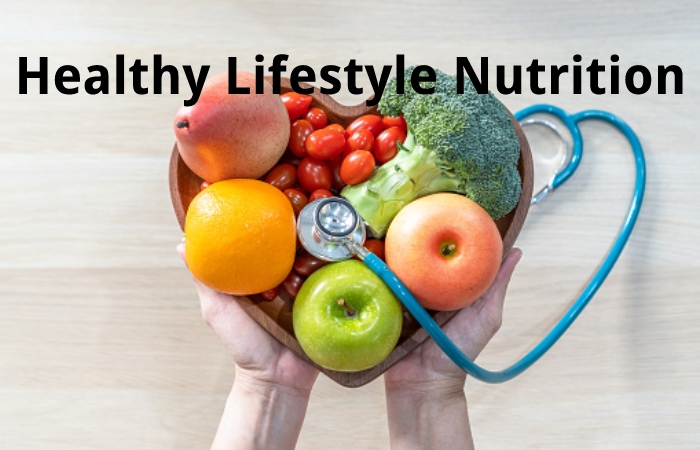
Although there is some room for debate regarding what foods and in what amounts or frequencies are healthy for the human body, doctors usually prefer certain eating styles and, above all, their combination with specific physical activity schemes, thus, there is more or less consensus regarding what a healthy lifestyle is, and it implies maintaining:
Prices for Nutrition Services
Cost of nutrition services varies widely depending on specialty, geography, and delivery method (in-person vs online). See typical price ranges below:
| Service | Typical Cost (USD) | Notes |
|---|---|---|
| Initial RD Consultation | $80–$250 | Longer, personalized assessment |
| Follow-up Sessions | $50–$150 | Shorter progress check-ins |
| Online Nutrition Coaching | $40–$150/month | Often subscription-based |
| Sports Nutrition Plans | $100–$400 | Includes exercise integration |
| Clinical Nutrition Services | $150–$500+ | For medical treatment programs |
Top Global Locations for Lifestyle Nutrition Support
Below are regions where nutrition services are widely accessible and often covered by health systems or insurance.
| Region / Country | Nutrition Access Level | Notes |
|---|---|---|
| North America (US & Canada) | High | Broad insurance coverage & specialist availability |
| Western Europe | High | Public health systems include dietary counseling |
| Australia & NZ | Moderate-High | Growing clinical nutrition focus |
| India & Asia-Pacific | Growing | Emerging market with rising demand |
| Africa & Middle East | Emerging | Limited formalized nutrition access |
Globally, the wellness and nutrition market — especially specialized nutrition — continues to grow, projected to reach USD 206.79 Bn by 2034.
Lifestyle Nutrition Comparison Chart
Here’s how lifestyle nutrition stacks up against traditional diet approaches:
| Aspect | Lifestyle Nutrition | Traditional Dieting |
|---|---|---|
| Goal | Long-term health & wellbeing | Short-term weight loss |
| Approach | Personalized, evidence-based | Generic or trend-based |
| Specialist Involvement | Yes | Sometimes none |
| Disease Prevention | Strong focus | Limited beyond weight |
| Sustainability | Habit-forming & long term | Can be temporary or fad |
A balanced diet: that is, consuming foods from all the collections of the nutritional pyramid, in adequate proportions and portions only sufficient to sustain us without losing weight, but without ahead it either. This means that we should consume 30-40 kilocalories per day of importance, according to the following distribution: 50-55% carbohydrates, 15-20% monounsaturated fats (and 5% polyunsaturated and no more than 7-8% saturated), and 10% protein. This comprises the daily intake of 20-25 grams of vegetable fiber.
A physical exercise routine: Generally implies 30 minutes of physical activity a day to burn excess energy (fat) and strengthen muscles and bones. Good individual hygiene includes body washing, hand washing (especially before eating), oral and dental hygiene, and the hygiene of the environment in which we live. These circumstances will help us get sick less frequently.
An enriching social life: that is, cultivating love and friendships, love and companionship, since we are outgoing animals, so acceptance and belonging are potent feelings within our soul. The need for most miniature social life to principal a healthy being is more than proven.
Harmful Lifestyles
Just as healthy lifestyles, there are also harmful ones that threaten health, leading to a shorter existence, more plagued by diseases and ailments. In general, detrimental lifestyles include:
Little variety diets: the calm of only one or few fixings from different groups, especially when that means eating large sums of fats (especially polyunsaturated or saturated), large amounts of sugars and carbohydrates, and, in general, abundant red meat. This diet is linked to early onset obesity, diabetes, and cancer. However, a too austere diet can lead to anaemia or vitamin deficiency.
Sedentary life: that is, total and lengthy lack of exercise, which promotes fat accumulation, weakens muscle tissue and further complicates the penalties of a poor diet. High blood pressure and obesity are directly related to an inactive lifestyle.
Excessive consumption of tobacco and alcohol: amongst other resources with a damaging impact on the body, whose link to the illness is well proven. Smoke is not only a factor of cancer and coronary diseases but also a destroyer of the oral sheath, while alcoholism ruins liver cells and contributes to ageing. That is not to reference illegal drugs, whose effect on life is disastrous, given their addictive component.
Benefits of Obtaining a Lifestyle Nutritional Counselling
If you don’t know which benefits complement or which foods are the finest for you, the nutritionist will guide you free of charge and give you the health advice you need.
- Your Nutritionist will accompany you daily
- Are you overweight? A healthy lifestyle starts with your weight
- Request your personalized diet
- Comparative table of Snacks and their calories.
- Know your body mass index.
- Intermittent fasting. An alter extinction to eat healthier.
- WhatsApp group Challenge 5 days (diet, weight, and menopause).
- NEW!! Tips for sleeping well and time change
Improve Nutrition for a Healthy Lifestyle
You are at home, in the office, at effort, in the car, etc., thinking about what you can do to change some aspect of your life that, for now, you don’t like how you are doing (diet, stress, relationship with your children, exercise, consumption habits, free time, etc.). You are penetrating the Internet for guidelines for a healthier life. Here are some informal tips to help you attain a healthier life for yourself and those around you.
The first (maybe the most critical) lifestyle change we need to make is an overhaul of our pantry and kitchen. The products that it is not sensible to keep in the pantry for this new change that we want to make are refined sugar (white sugar), sophisticated flour, precooked products, fried snacks, light products, and sweets (chewing gum, candies, jellies, etc.).
What is a Healthy Eating Habit?
| What is a Healthy Eating Habit? | To make a healthy eating habit, it is advisable to carry out a diet: |
| Varied | including different foods to obtain all the necessary nutrients. Nutrients are divided into five groups: carbohydrates, proteins, fats, vitamins, and minerals. But no food contains all of them, so it is essential to have a varied diet. |
| Sufficient | It must contain the amount necessary to meet the body’s demand for nutrients. |
| Adapted | Food should apathy to the needs of each person. For example, a teenager and an older person have different nutritional deficiencies, and an athlete needs more calories than a person who works sitting in a chair in front of a computer. |
| Balanced | The way to achieve this is to base yourself on the indications of the food pyramid proposed by the General it at de Catalunya through its Health channel. |
| Influence of Tobacco on Healthy Lifestyle | It is the most preventable cause of death and disease in adults. Smoking contributes substantially to conditions such as Cancer, Cardiovascular, and Chronic Respiratory (emphysema and chronic obstructive), among others. |
| Data from the Americas region show that 1 in 4 older men smoke. And although some think that if you have smoked all your life and nothing. It has happened to you, the mere act of quitting benefits. If your cardiovascular and respiratory health. | |
| Therefore, it is not ever too late to quit smoking and start living a healthy life. | |
| Physical Activity for a Healthy Lifestyle Nutrition | Changing to a healthy lifestyle is changing habits, and habits are not only about food. It but daily physical activity plays a crucial role. Start choosing to go up and down stairs instead of using the elevator. Try to go to work on foot or by bicycle, dedicating the journey to walking and thinking. It a relaxed way about what you need at that moment. If you can, leave the car parked. Your concise, and your body will thank you. |
| Another type of physical activity requires exercise instead of a passive attitude. In such as sitting down to watch television or the internet. Doing crafts, reading, painting, listening to music, and doing things we like and relaxing are desirable. |
Conclusion
Lifestyle nutrition is not just a trend — it’s a foundation of modern preventative health. Across regions and age groups, balanced, personalized eating supports not only physical health but also cognitive performance, emotional stability, and longevity.
Key takeaways:
-
Evidence supports nutrition’s role in extending lifespan when paired with healthy habits.
-
Professional guidance remains critical for optimal outcomes.
-
Nutrition costs and accessibility vary worldwide — affordability is a growing policy concern.
As trends evolve from 2022 through 2026, nutrition continues to integrate technology, personalized science, and preventative medicine, redefining how society approaches health.
Disclaimer
This article is for informational purposes and should not replace medical advice from healthcare professionals. Always consult qualified specialists before making significant changes to your diet or nutrition plans.