
 WRITTEN BY
Fahmeena Begum
Technology, Business & Digital Trends Writer
WRITTEN BY
Fahmeena Begum
Technology, Business & Digital Trends Writer
Fahmeena creates clear and practical content across technology, business, digital marketing and emerging digital trends.
View Author Profile → REVIEWED BY
Sameena Begum
Digital Content Reviewer
REVIEWED BY
Sameena Begum
Digital Content Reviewer
Sameena reviews selected All Reddit content for clarity, consistency, factual presentation and reader usefulness.
View Reviewer Profile →The best food for the liver is vital in helping your body remove pollutants. You can reason your liver as a sifting arrangement that helps eliminate harmful by-products while plating your body’s memory of nutrients from the nutrition you eat. Taking care of the liver is critical to avoiding the appearance of diseases that can be fatal. Many pathologies that affect this vital organ are asymptomatic and show up when it may be too late for the patient. Good habits and healthy eating help improve the state of health of this organ.
However, not all foods serve the same purpose when it comes to liver health. This is chiefly true if you have an illness like cirrhosis or hepatitis C, making it firmer for your liver to filter food and nutrients the way it would.
Table of Contents
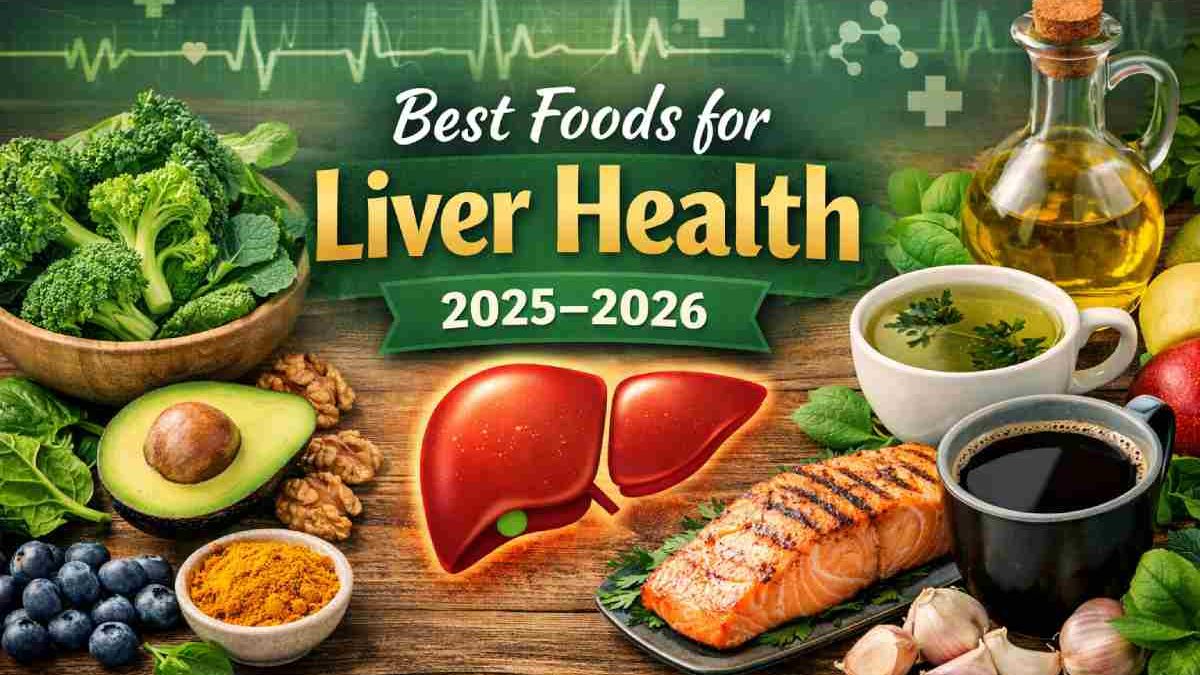
Introduction to the Best Foods for Liver Health
The liver is one of the most important organs in the human body. It performs over 500 essential functions, including detoxifying harmful substances, metabolizing nutrients, producing bile for digestion, and regulating blood sugar levels. Because of these critical roles, maintaining liver health is essential for overall well-being.
Modern lifestyles—characterized by processed foods, high sugar intake, alcohol consumption, and sedentary habits—have increased the prevalence of liver conditions, especially non-alcoholic fatty liver disease (NAFLD). According to medical research, dietary improvements and weight management are among the most effective ways to prevent and manage liver disease.
Certain foods can support liver health by:
-
Reducing fat accumulation
-
Improving liver enzyme levels
-
Fighting inflammation
-
Supporting detoxification processes
For example, leafy green vegetables, fatty fish, nuts, whole grains, berries, and coffee have been shown to improve liver function and reduce inflammation.
This guide explores the best foods for liver health in 2025–2026, including nutritional insights, cost comparisons, geographic availability, and real-world case studies.
Maintaining liver health involves more than choosing individual foods. A balanced diet, regular physical activity, adequate hydration, and sustainable daily habits all contribute to overall well-being. Explore lifestyle nutrition for more guidance on building healthier routines.
Which Medical Specialists Help Manage Liver Health and Dietary Plans
When addressing liver health issues, multiple healthcare professionals may provide guidance. Their roles vary depending on the severity of liver disease and the patient’s overall health condition.
| Specialist | Role in Liver Health | Typical Consultation Cost |
|---|---|---|
| Hepatologist | Diagnoses and treats liver diseases such as fatty liver, hepatitis, and cirrhosis | $50 – $200 |
| Gastroenterologist | Treats digestive disorders including liver and bile duct conditions | $40 – $150 |
| Dietitian / Nutritionist | Creates personalized liver-friendly diet plans | $30 – $100 |
| Internal Medicine Doctor | Provides general medical evaluation and preventive care | $20 – $80 |
| Endocrinologist | Treats metabolic conditions like diabetes affecting liver health | $60 – $150 |
These professionals often collaborate to design dietary and lifestyle interventions that help patients reverse early-stage liver damage.
What Are the Typical Prices of Liver-Friendly Foods Around the World
Healthy eating does not always mean expensive foods. Many liver-friendly foods are widely available and affordable.
Some people combine healthy eating with intermittent fasting as part of their dietary routine. If you are exploring fasting practices, learn whether chewing gum breaks a fast and how different types of gum may affect your fasting goals.
| Food | Average Price (USA) | Average Price (India) | Health Benefit |
|---|---|---|---|
| Spinach / Leafy Greens | $2 – $4 per bunch | ₹30 – ₹60 | Reduces liver fat |
| Salmon / Fatty Fish | $8 – $15 per pound | ₹700 – ₹1200 per kg | Omega-3 reduces inflammation |
| Oats / Whole Grains | $3 – $5 per pack | ₹100 – ₹200 | Supports digestion and metabolism |
| Blueberries / Berries | $4 – $8 per pack | ₹200 – ₹500 | Antioxidant protection |
| Garlic | $1 – $3 | ₹40 – ₹80 | Activates detox enzymes |
| Green Tea | $5 – $15 per pack | ₹150 – ₹400 | Reduces liver fat |
Foods rich in antioxidants, fiber, and healthy fats are particularly beneficial because they reduce oxidative stress and inflammation in liver cells.
Nuts can be part of a balanced diet that supports overall health. Cashews provide healthy fats and essential nutrients, making them a useful addition to a varied eating plan. Learn more about the benefits of cashew and how this nut can fit into your daily diet.
Which Geographic Locations Offer the Best Access to Liver-Healthy Foods
Access to liver-friendly foods varies by region depending on agriculture, climate, and diet traditions.
| Region | Common Liver-Friendly Foods | Diet Pattern |
|---|---|---|
| Mediterranean Countries | Olive oil, fish, nuts, vegetables | Mediterranean diet |
| India | Turmeric, garlic, leafy greens, lentils | Plant-based diet |
| Japan | Green tea, soy products, fish | Low-fat seafood diet |
| United States | Whole grains, berries, avocado | Balanced health diet |
| Nordic Countries | Fatty fish, berries, oats | Omega-3 rich diet |
Research shows the Mediterranean diet is particularly beneficial for reducing liver fat and improving metabolic health.
How Do Different Liver-Friendly Foods Compare in Nutritional Value
Below is a comparison of common liver-supporting foods based on their nutritional benefits.
| Food | Key Nutrients | Primary Liver Benefit |
|---|---|---|
| Leafy Greens | Chlorophyll, antioxidants | Detoxification support |
| Fatty Fish | Omega-3 fatty acids | Reduces inflammation |
| Nuts & Seeds | Vitamin E, healthy fats | Protects liver cells |
| Berries | Polyphenols, Vitamin C | Prevents oxidative damage |
| Whole Grains | Fiber | Reduces fat accumulation |
| Coffee | Antioxidants | Improves liver enzyme levels |
Studies show that regular coffee consumption is linked to lower risks of cirrhosis and liver cancer, making it one of the most researched liver-protective beverages.
What Do Consumers and Patients Say About Liver-Friendly Diets
Online health communities often share personal experiences with liver-supporting diets.
A discussion in a health forum highlighted several foods users commonly include in liver-friendly diets:
Many users report improvements such as:
-
Lower liver enzyme levels
-
Better digestion
-
Increased energy
-
Weight loss
However, experts emphasize that diet alone is not enough; exercise, hydration, and medical supervision are also important.
Tips for Liver-Healthy Foods and Drinks
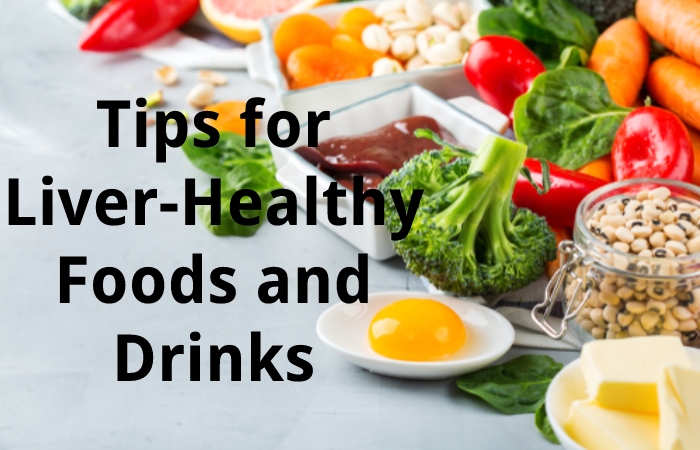
Artichokes: Its antioxidants and bitter active ingredients contribute to good digestion and facilitate the purifying activity of the liver.
Cabbages: There are wide cabbage varieties rich in nutrients that are good for your health. Broccoli is especially suitable for liver health because it contains vitamins and sulfur that help eliminate toxic substances.
Asparagus: They are among the good foods for the kidney and liver. They facilitate the elimination of toxins through urine thanks to their abundance of sulfur and other healthy nutrients.
Oatmeal: It is a cereal recommended for its high fiber content. It helps improve digestion, is an immediate energy source, reduces fat absorption and improves intestinal transit. Undoubtedly, a recommended food to control cholesterol levels and take care of the liver.
Endives: They can be consumed raw or cooked and are a source of fiber, mineral salts and antioxidants that favor the proper functioning of the liver.
Turnip: Rich in water and mineral salts, it favors the work of expelling toxins from the liver and kidneys.
Aromatic herbs: Dill, fennel and, in general, all Mediterranean aromatic herbs have digestive properties, making them a good ally in the kitchen to protect the liver.
Spices: Turmeric, cayenne pepper, cumin, garlic, ginger, the list of herbs that promote digestion is extensive. Adding these natural condiments to food has many advantages: it improves the taste, reduces the use of salt and improves digestion by relieving the work of the liver.
Dried fruits: Contrary to the myths about nuts, these foods consumed correctly are very beneficial for the body. They are rich in unsaturated fats and antioxidants, nutrients that benefit the liver.
Paneer is a source of protein that can be included in a balanced diet, depending on individual nutritional needs and portion sizes. To plan meals more effectively, check the calories in paneer and consider how its fat and protein content fit into your overall diet.
Other Best Food for Liver
The list of good foods for the reddened liver and general liver is pervasive. In addition to those exposed through the article, the following also favors healthy maintenance of this organ:
Mushrooms are rich in vitamin D. This substance is vital for the body since its shortfall is linked to liver diseases.
Asparagus: it is good food for the liver and kidney. Its consumption helps eliminate toxins through urine, primarily due to its gratified of healthy nutrients such as sulfur.
- Globe artichoke, auberges and escarole.
- Escaroles
- Legumes like chickpeas.
- Cucumbers
- Other fatty fish such as sardines.
What do you think of this object around good foods for the liver? Could you leave us your opinion in the comments? And, if you want to know the wrong foods for the liver and what foods to cleanse the liver, do not miss this training. Keep this organ in top condition!
Why Should We Take More Care of our Liver in Spring?
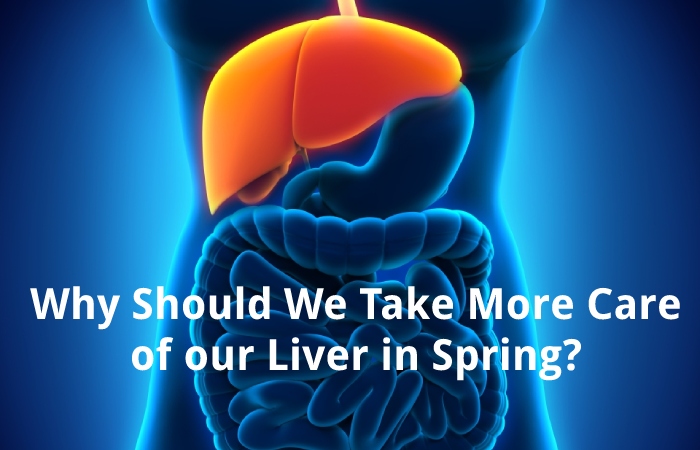
The liver is one of the main structures in our viscera. It weighs an average of 1.5 kg and is involved in more than 500 activities, of which the most important are
- Extract essential nutrients during the digestion of food (carbohydrates, proteins and fats).
- Store sugars to give energy to the body.
- Act as a filter for toxic substances, alcohol and drugs, and eliminate them.
With spring’s arrival, our body must adapt to the changes, which need energy. If our liver is healthy, it will function correctly, and we will better face the change of season. On the contrary, an overloaded liver will work more slowly, and we will feel tired, irritable and malaise.
6 Types of Healthy Best Food for Liver
Good foods for the liver are mainly foods rich in vitamins C and E, omega-3, carotenes and flavonoids, such as artichoke, salmon, Brazil nut, garlic or broccoli, since these nutrients have antioxidant, anti-inflammatory and protective properties of the liver, helping to maintain the proper functioning of this organ and preventing the accumulation of fats that can cause fatty liver.
1. Avocados
Avocados are staples in many kitchens. Technically, they are part of the berry family and offer many health benefits, including better liver health. A 2015 study observed the role of certain foods in people with nonalcoholic fatty liver disease. And also, The researchers found that moderate consumption of avocados as part of a balanced diet is associated with weight loss and better liver function tests.
2. Cafe
Your daily cup of chocolate may play an even more critical role in your health than you thought. Regarding the health of your liver, some studies suggest that coffee reduces the risk of cirrhosis, cancer, and fibrosis in the liver. Regular, moderate amounts can even help slow down the course of existing liver diseases.
3. Fatty Fish
Fish is an alternative to less healthy meats like fatty cuts of pork and beef. Fish may also provide some underlying benefits for liver health, cumbersome types of fish. Oily or oily fish like salmon may help reduce irritation and fat buildup in the liver while endorsing a lower overall BMI, according to a 2015 review. Oily fish is too high in heavy omega-3 doses, which are suitable for heart and brain health.
4. Olive Oil
Like avocados, olive oil has originated to help reduce the incidence of liver and cardiovascular diseases when consumed over a long period. Studies have suggested that olive oil may help reduce liver enzymes that lead to liver disease. Long-term consumption of olive oil can even lower LDL (bad) cholesterol levels and triglycerides in the blood.
5. Walnuts
When eaten in small amounts, nuts are a nutrient-dense, healthy-fat snack. And also, In addition to improving cardiovascular health, nuts can also help reduce the incidence of liver disease. Of all the types of nuts, walnut is among the most beneficial for reducing fatty liver disease, and this is due to their higher content of antioxidants and fatty acids. Walnuts have the uppermost amount of omega-6 and omega-3 fatty acids and polyphenolic antioxidants.
Nutrition plays an important role in health throughout life, although its effects depend on age and individual needs. For a related discussion of growth and adult height, read about whether it is possible to increase height after 21.
Case Study Showing Liver Health Improvements Between 2025 and 2026
The following case study summarizes typical improvements observed when individuals adopt a liver-friendly diet combined with lifestyle changes.
Case Study: Lifestyle Intervention for Fatty Liver
Participant Group: 200 adults diagnosed with early-stage fatty liver
| Year | Average Liver Fat Percentage | Lifestyle Change |
|---|---|---|
| 2025 | 18% | Initial diagnosis |
| Mid-2025 | 14% | Mediterranean diet adopted |
| Early 2026 | 11% | Diet + exercise |
| Late 2026 | 8% | Sustained lifestyle improvements |
New Medical and Nutritional Updates for Liver Health in 2025 and 2026
Recent medical research and nutrition trends highlight several updates in liver health management.
2025 Developments
-
Increased diagnosis of Metabolic Dysfunction-Associated Steatotic Liver Disease (MASLD).
-
Greater adoption of Mediterranean-style diets.
-
Clinical trials focusing on plant-based nutrition for liver recovery.
2026 Emerging Trends
-
AI-based diet planning for liver disease.
-
Greater focus on anti-inflammatory foods such as berries and olive oil.
-
Personalized nutrition programs based on gut microbiome testing.
Dietitians now emphasize balanced diets rather than “detox diets.” The focus is on long-term lifestyle changes rather than short-term cleanses.
Conclusion: Building a Sustainable Diet for Liver Health
A healthy liver depends largely on consistent lifestyle and dietary choices. Research consistently shows that diets rich in vegetables, whole grains, omega-3 fats, antioxidants, and moderate coffee consumption help support liver function and reduce the risk of fatty liver disease.
Key takeaways include:
-
Eat more leafy vegetables, berries, and whole grains.
-
Include healthy fats such as olive oil and nuts.
-
Reduce sugar, processed foods, and alcohol.
-
Maintain a healthy weight and exercise regularly.
By adopting a balanced diet similar to the Mediterranean pattern, individuals can significantly improve liver health and reduce long-term disease risk.
Fahmeena Begum is a writer at All Reddit with 3+ years of experience. Her work covers technology, business, digital marketing, software, online platforms and emerging digital trends.
Sameena Begum is a Digital Content Reviewer with 8 years of experience. Her review work focuses on clarity, readability, consistency and useful factual presentation.